2026 Foreign Exchange Cost Checklist: Fees, Taxes, and Remittance Optimization
A practical guide to 2026 Foreign Exchange Cost Checklist: Fees, Taxes, and Remittance Optimization, with a clear checklist, key risks to watch, and next steps for readers who want to compare options before acting.
2026 Foreign Exchange Cost Checklist: Fees, Taxes, and Remittance Optimization > Direct answer: Do not judge a transfer by the exchange rate shown on screen. Compare the full cost: fixed fees, spreads, taxes, and the reporting work tied to the transaction. > Summary: Review at least three channels, test spreads and timing rules using the actual transfer amount, and classify each remittance by purpose so the tax treatment is clear and cost leakage is easier to catch.
Q. Why do fees feel high even when the rate looks fair?
!Q. Why do fees feel high even when rate looks fair?!2026 Foreign Exchange Cost Checklist Fees Taxes and Remittance Optimization visual referen
Visible fixed fees Withdrawal fees, card top-up fees, and international network charges are fixed costs. A 2,000 KRW fee may look harmless on a single transfer, but it becomes material when it repeats every month.
Hidden spread The quoted bank rate and the rate you actually receive are rarely identical. The gap may look small in one quote, but it grows with transaction volume and can turn into a larger leak than expected.
!Hidden spread Bank quotes and effective rates are rarely identical. The difference may loo!2026 Foreign Exchange Cost Checklist Fees Taxes and Remittance Optimization visual referen
Path-dependent processing cost Fees change by route: bank transfer, fintech conversion, or card auto-conversion. The principal may be identical, but the path can leave you with a very different final cost.
!Path-dependent processing cost Fees vary by route: bank transfer, fintech conversion, or c!Path-dependent processing cost Fees change by route: bank transfer, fintech conversion, or
Total-cost formula for a real decision
!Total-cost formula for real decision!Total-cost formula for real decision Total-cost formula for real decision
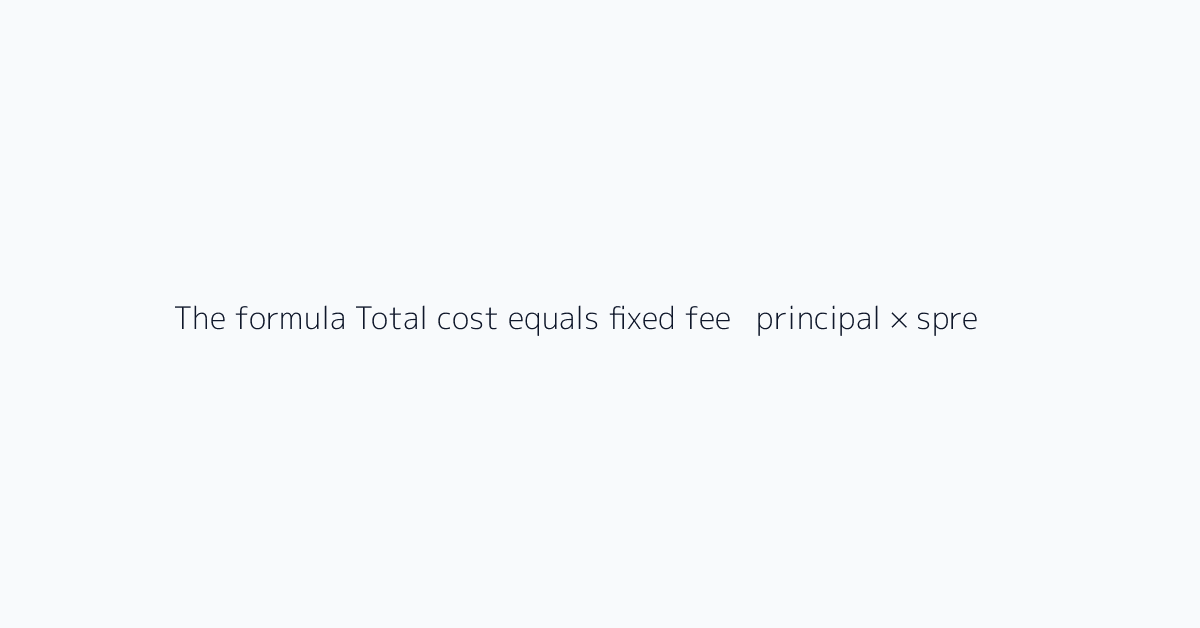
The formula Total cost equals fixed fee + (principal × spread) + route fee + tax-administration cost. Use this as your baseline when comparing channels.
Practical scenario
If 1,000,000 KRW is converted to USD for transfer, the fixed fee may be 2,000 KRW, while a 0.25% spread adds roughly 2,500 KRW. For larger recurring payments, route fees and reprocessing penalties can easily exceed both.
Pre-check list
- collect at least four cost items per channel
- test the same amount twice within a one-day window
- split entries by purpose: payroll, service payment, personal transfer, investment
Q. What tax tasks should be prepared before transfer?
Keep transaction intent clear
Tax treatment depends on the purpose of the settlement. If the records are unclear, filing delays can lead to corrections and additional costs.
What is most missed in practice
Source documents, the conversion valuation date, and the payment memo are often stored in different places. Keep them in one trail from the creation date through the reporting date.
Suggested evidence workflow
Store the invoice, transfer ledger, exchange proof, and fee line item in one folder each month.
Q. Which channel should I choose for my situation?
Monthly recurring remittance Choose a process with low fixed fees and a low failure rate.
Large one-time transfer
Prioritize the actual settlement rate lock and completion speed over the headline exchange rate.
Urgent settlement
Put speed first, then optimize the channel in the next cycle.
Q. What is the weekly routine for 2026 operations?
Step 1 collect Track 3 sources: bank, fintech, and a broker.
Step 2 normalize
Convert all quotes to the same base assumptions and base currency.
Step 3 review
If the fixed-cost ratio exceeds 20 percent of total cost, switch channels.
FAQ
Q. If I transfer many times in a day, is it cheaper? No. More transactions can increase processing overhead. In most cases, total cost matters more than transaction count.
Q. Can card auto-convert reduce cost?
Sometimes, especially when convenience matters, but high-volume users usually save more by reviewing their routes periodically.
Q. Does a dormant account always cost more?
Dormant accounts often create extra verification friction and delays, which become indirect costs.
Q. Must every outbound transfer be reported?
Not always, but classification and evidence quality determine compliance risk.
Q. Minimum evidence package?
Keep transfer details, the exchange receipt, and the fee statement together every month.
Q. Biggest tax-risk mistake?
The most common issue is a mismatch between the transfer date, valuation date, and filing date.
Sponsored Link
Sign Up & Get 20% Fee Discount Forever
Binance — World's #1 Exchange. 20% lifetime fee rebate via referral
This is a Binance referral link. We may earn a commission.
🔧 Related Free Tools
Next useful step
Continue from this guide
Related
A practical, locally adapted guide to close gaps between Bitcoin gains, exchange...
Crypto · Finance2026 Practical Guide to Reporting Bitcoin Capital Gains Tax: A Complete 12-Step Checklist for Transactions, Exchange Rates, and DocumentationWhen reporting Bitcoin capital gains tax, the completeness of your documentation...
Crypto · FinanceCar Insurance Quote Comparison 2026: Renewal ChecklistA practical 2026 guide to comparing car insurance quotes before renewal, includi...
Crypto · Finance2026 Complete Guide to Bitcoin Futures Funding Fee Settlement: 7 Practical Steps to Reduce Tax, FX, and Documentation RisksA practical guide to 2026 Complete Guide to Bitcoin Futures Funding Fee Settleme...